How lavender can reduce anxiety and stress
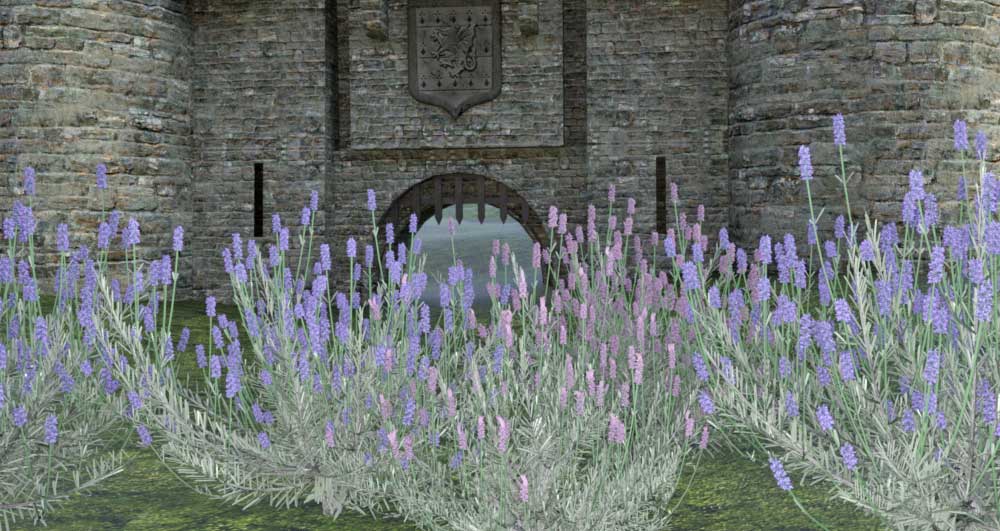
Stressed? Lavender might help
Stress and anxiety are natural reactions to challenging situations, but for some people they become overwhelming. In response, many people have begun using aromatherapy as a way to reduce stress and anxiety. Lavender is one of the most widely used essential oils for this purpose. That’s because it has been shown to reduce stress, anxiety, and other symptoms of stress.
The science behind how lavender does this is complex, but researchers have identified several different ways that lavender aids in reducing stress and anxiety. This article will explore the science behind how lavender helps with this through human studies on the topic.
How Does Lavender Help Reduce Stress and Anxiety?
Before we explore the science behind how lavender helps with reducing stress and anxiety, let’s first understand why these symptoms occur in the first place. Beyond just feeling bad, stress and anxiety are actually a collection of physical symptoms and changes in the body that make it more difficult to face challenges. When stress and anxiety are present, the body goes into a “fight or flight” state that prepares us to deal with short-term crises.
Some of the physical symptoms associated with stress and anxiety include increased heart rate, muscle tension, and higher blood pressure. These symptoms are normal and even helpful at times, but chronic stress and anxiety can cause these reactions to become excessive. Research shows that lavender has many different ways of reducing these symptoms.
Research Showing That Lavender Can Help With Stress and Anxiety
There have been many scientific studies on lavender and its effects on stress and anxiety. Overall, these studies show that lavender is an effective way to reduce stress and anxiety. One study tested the effects of lavender in a chronic care facility, where patients suffer from many different issues, including anxiety. The researchers found that using a diffuser with lavender essential oils reduced anxiety by about 50%. Another study tested anxiety in people who were taking an exam. The researchers found that those who wore a lavender scented wristband had lower anxiety levels than those who did not wear the scented wristband. Other studies have also found a significant decrease in anxiety among people exposed to lavender, especially when they have the chance to inhale the scent.
Overall, these studies show that lavender is an effective way to reduce stress and anxiety.
Lavender May Help By Producing Feel-Good Chemicals
One way that lavender may help with reducing stress and anxiety is by triggering the release of feel-good chemicals in the brain. There are a few different chemicals associated with feelings of happiness and contentment, and lavender may help trigger the release of these.
One of these chemicals is called serotonin, which has been linked to feelings of happiness and contentment. Another chemical is called beta-endorphins, which are opioids that produce feelings of pleasure and euphoria. Beta-endorphins have also been shown to reduce stress and anxiety.
One study found that inhaling lavender triggered the release of serotonin in the brain in rats. Another study found that inhaling lavender increased beta-endorphin levels in the blood of humans. Overall, these studies show that lavender is able to trigger the release of serotonin and beta-endorphins in the brain, which may play a role in reducing stress and anxiety.
Lavender May Help By Improving Breathing Patterns
Another way that lavender may help with reducing stress and anxiety is by improving breathing patterns. When we are stressed, our breathing becomes shallow and rapid. This type of breathing can increase heart rate and blood pressure and make it harder to think clearly. Lavender has been shown to help with improving these breathing patterns.
One study of adolescents with anxiety disorders found that a lavender inhaler helped with deep breathing and reduced anxiety. Another study found that inhaling lavender helped with regulating breathing in people with anxiety disorders.
Overall, these studies show that lavender is able to improve breathing patterns, which had a calming influence on the study groups.
Lavender May Help By Creating a Sense of Touch and Smell
Another way that lavender may help with reducing stress and anxiety is by creating a sense of touch and smell. Touch and smell are two of our senses, and lavender has been shown to help people with anxiety disorders use these senses to reduce their symptoms.
One study found that when people with anxiety disorders touch a lavender plant, it helps them relax and even sleep better. Another study found that inhaling lavender decreased the amount of pressure applied to a stress ball, which is one way of measuring relaxation.
Touch and smell are two senses that are closely linked to the emotional center of the brain. These studies suggest that lavender may help with reducing stress and anxiety by influencing the emotional part of the brain.
Conclusion
Lavender is one of the most widely used essential oils for reducing stress and anxiety because it has been shown to have several different ways of helping with this goal. One way that lavender may help is by triggering the release of feel-good chemicals in the brain. Lavender may also help by improving breathing patterns and by creating a sense of touch and smell.
In short, lavender oils are a safe, natural way to reduce stress and anxiety. They may be especially helpful for people who don’t respond well to anti-anxiety medications or other types of therapy.